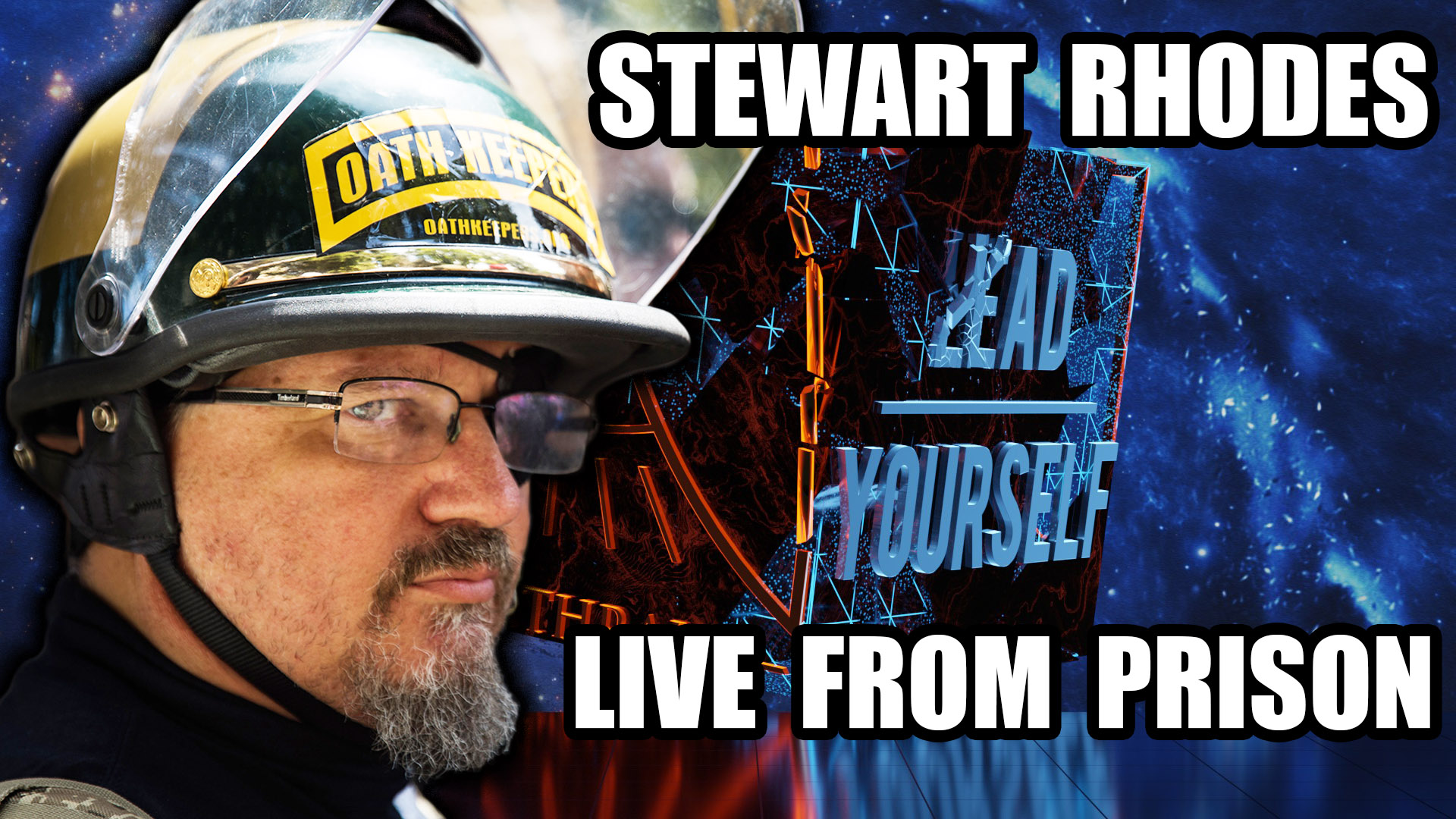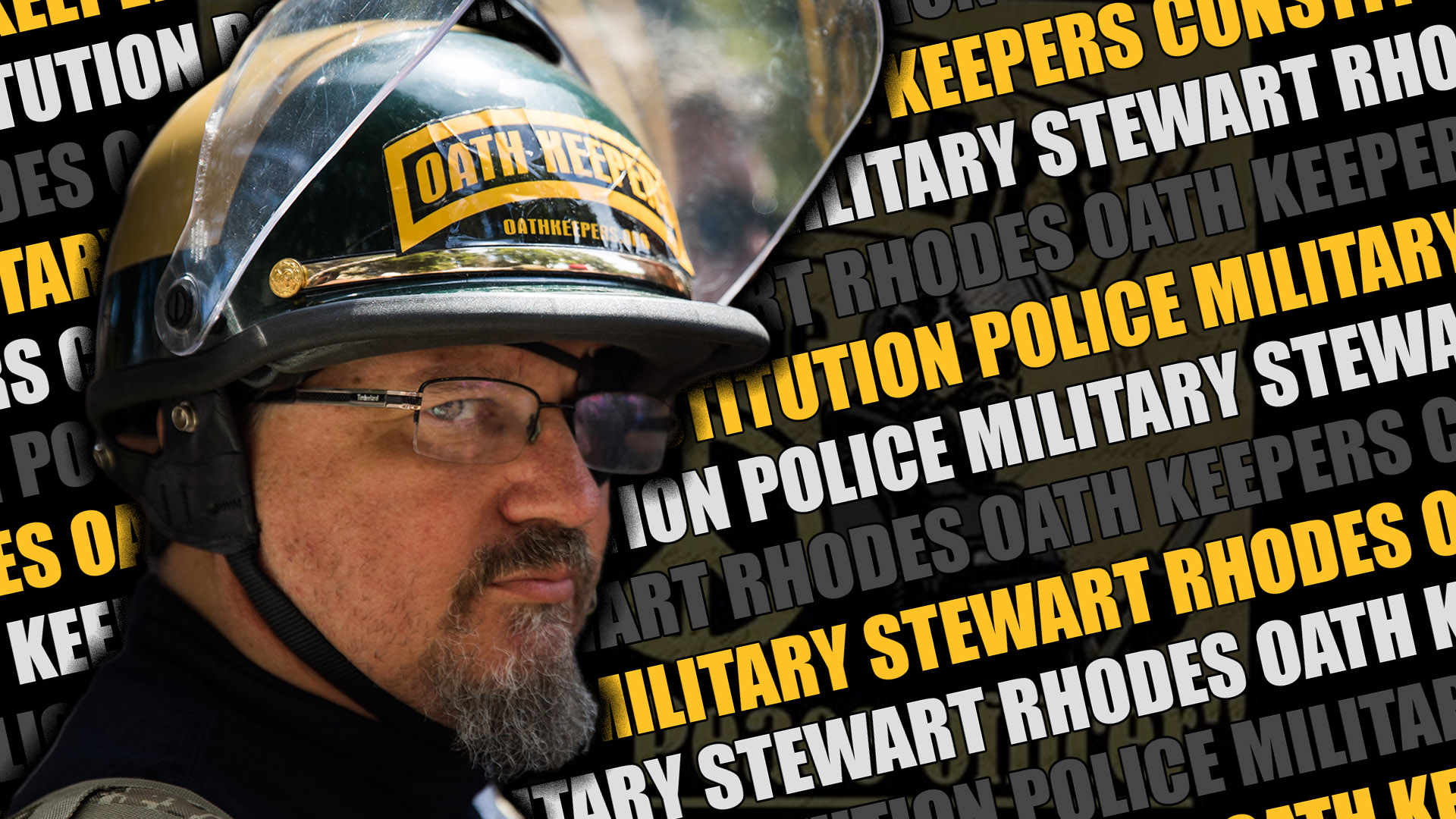

The Oath Keepers are an American organization founded in 2009, primarily composed of current and former military personnel, law enforcement officers, first responders, and civilians. They describe themselves as a non-partisan association dedicated to upholding the U.S. Constitution by refusing to obey what they deem unconstitutional orders from superiors. Their motto is “Not on our watch!” From an anarcho-capitalist perspective, the group represents a partial but ultimately insufficient challenge to state tyranny. While their emphasis on individual moral responsibility, refusal of coercive orders, community self-reliance, and defense of property rights aligns with voluntaryist principles and natural rights, their foundational oath to the Constitution perpetuates the myth of limited government and a legitimate republican framework. True liberty, anarcho-capitalists argue, requires rejecting the state’s monopoly on force entirely in favor of private property, voluntary associations, and market-provided defense—rather than selectively “restoring” a constitutional republic that itself institutionalized coercion.
History#
Oath Keepers was founded in March 2009 by Elmer Stewart Rhodes (commonly Stewart Rhodes), a Yale Law School graduate, former U.S. Army paratrooper (honorably discharged after a training injury), and one-time staffer for Congressman Ron Paul. The group emerged amid concerns over perceived federal overreach following the 2008 election and the early Obama administration. Its inaugural public event occurred on April 19, 2009—Patriots’ Day—at Lexington Common in Massachusetts, site of the Revolutionary War’s opening shots. There, Rhodes and others read the group’s foundational “Declaration of Orders We Will Not Obey” and conducted a mass oath-swearing ceremony.
The organization grew rapidly within the broader militia and patriot movements, recruiting heavily from those already sworn to serve the state apparatus. It gained national attention through participation in high-profile standoffs and preparedness initiatives. Leadership and activities faced significant disruption following the January 6, 2021, events at the U.S. Capitol, where Rhodes and other leaders were convicted of seditious conspiracy (sentences including 18 years for Rhodes). However, subsequent clemency and commutations under President Trump (effective around 2025) led to Rhodes’ release and reported efforts to relaunch the group with more resilient, “cancel-proof” structures. As of 2026, revival efforts continue via sites such as usaoathkeepers.com and oathkeepers.info, focusing on education, disaster response, and community preparedness.
Ideology and the “10 Orders We Will Not Obey”#
Oath Keepers center their ideology on the oaths taken by military and law enforcement personnel to “support and defend the Constitution against all enemies, foreign and domestic.” They argue that this oath takes precedence over orders from any political leader or superior. Their cornerstone document, the “Declaration of Orders We Will Not Obey,” lists ten specific commands they pledge to refuse:
- We will NOT obey orders to disarm the American people.
- We will NOT obey orders to conduct warrantless searches of the American people.
- We will NOT obey orders to detain American citizens as “unlawful enemy combatants” or to subject them to military tribunal.
- We will NOT obey orders to impose martial law or a “state of emergency” on a state.
- We will NOT obey orders to invade and subjugate any state that asserts its sovereignty.
- We will NOT obey any order to blockade American cities, thus turning them into giant concentration camps.
- We will NOT obey orders to force American citizens into detention camps or “re-education” facilities.
- We will NOT obey orders to assist foreign troops or foreign police to patrol or control American citizens.
- We will NOT obey any orders to confiscate the property of American citizens, including food, water, or any resources.
- We will NOT obey any orders which infringe on the right of the people to free speech, to peaceably assemble, and to petition their government for a redress of grievances.
From an anarcho-capitalist viewpoint, this declaration is commendable for recognizing the moral imperative to disobey immoral commands (echoing arguments against “just following orders” in ethics and history). It highlights practical resistance to state aggression, such as gun confiscation and property seizures, which align with the non-aggression principle and private property rights. However, the ideology remains statist at its core: by swearing allegiance to the Constitution—a document that created and legitimized a centralized coercive monopoly—the group implicitly endorses the very framework that enables tyranny. Anarcho-capitalists, drawing from thinkers like Lysander Spooner (who argued the Constitution never bound non-consenting individuals) or Murray Rothbard, see this as a half-measure. Real liberty demands rejecting all political oaths and building parallel institutions based on voluntary contracts, not reforming the republic.
The group also promotes Community Preparedness Teams (CPTs), armed local units for disaster response, neighborhood defense, and mutual aid—practices that resonate with anarcho-capitalist ideals of voluntary cooperation and self-reliance over state welfare or emergency powers.
Organization and Structure#
Oath Keepers operates as a nonprofit (and later LLC) with a national leadership structure including a board of directors and a president (Stewart Rhodes served as the dominant founder and leader until his legal troubles). It features decentralized state and local chapters that handle most operational activities, allowing for autonomy while maintaining a national brand for recruitment and messaging. Membership is vetted, prioritizing those with military, law enforcement, or first-responder backgrounds, though civilians are accepted. Dues and donations fund operations, with recent emphasis on resilient, decentralized IT and leadership to survive deplatforming or arrests.
Management has been personality-driven, centered on Rhodes’ vision. Post-2021 disruptions saw nominal leadership shifts (e.g., acting presidents and board members), but Rhodes has remained influential. As of 2026, revival efforts stress broader leadership distribution and collaboration with veterans and local officials for training and disaster aid.
Prominent Activities and Works#
- Declaration of Orders We Will Not Obey (2009): Their foundational text and most enduring “work,” widely circulated online and at rallies.
- Bundy Ranch Standoff (2014): Armed support for Nevada rancher Cliven Bundy against Bureau of Land Management actions, framed as defense of private property and states’ rights against federal overreach.
- Community Preparedness Teams (CPTs): Local armed preparedness and mutual-aid groups for disasters, neighborhood security, and civil defense—emphasizing self-reliance.
- Disaster Response: Post-hurricane, flood, and wildfire volunteer efforts (e.g., Hurricane Harvey 2017 onward, including 2025 Texas floods), providing rescue, medical aid, and recovery through vetted volunteers.
- Border and Security Operations: Calls for border security and protection of ranches or schools.
- January 6, 2021: Significant presence at the Capitol events; leaders faced seditious conspiracy charges, later subject to clemency.
Anarcho-capitalists applaud actions like the Bundy standoff (private property vs. state land claims) and disaster mutual aid as examples of voluntary defense and cooperation. However, Jan. 6 involvement is critiqued as entanglement in the state’s electoral theater rather than building stateless alternatives like private arbitration, security firms, or seasteading-style independence.
Anarcho-Capitalist Analysis#
Oath Keepers embody a tension inherent in constitutionalist resistance movements. Their recognition that state agents bear personal responsibility for their actions is a powerful red pill against blind obedience. Their preparedness ethos and community focus prefigure aspects of polycentric law and private defense agencies. Yet, by anchoring legitimacy in the Constitution and recruiting from the state’s enforcement class, they risk becoming unwitting guardians of the status quo rather than its abolitioners. As Rothbard noted, minarchist “night-watchman” states inevitably expand; Oath Keepers’ selective constitutionalism illustrates why anarcho-capitalists advocate full statelessness. They serve as useful allies against immediate tyranny but fall short of the radical voluntarism required for genuine liberty.
External Links
- usaoathkeepers.com (current U.S. national site)
- oathkeepers.info (official revival/education site)