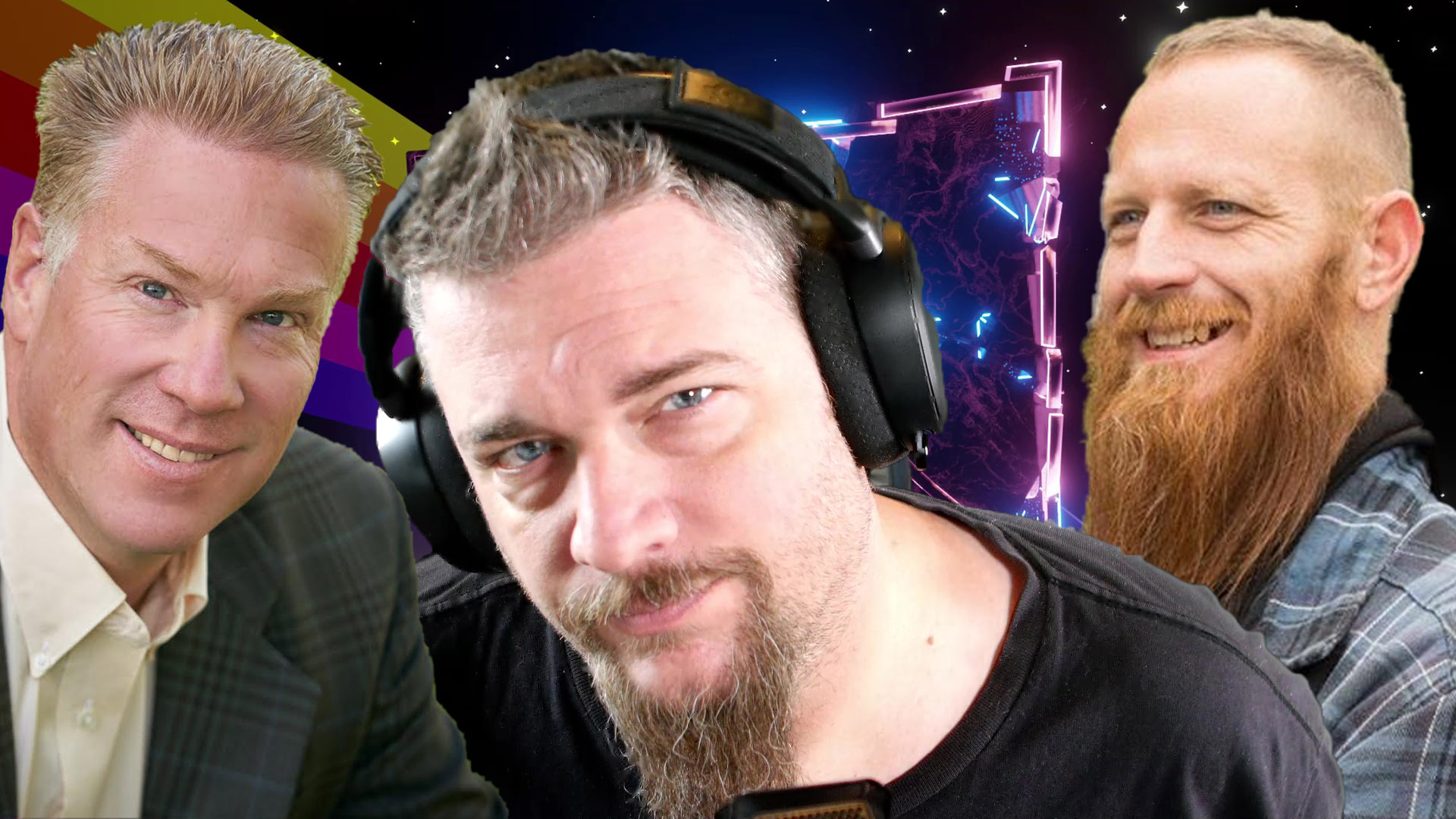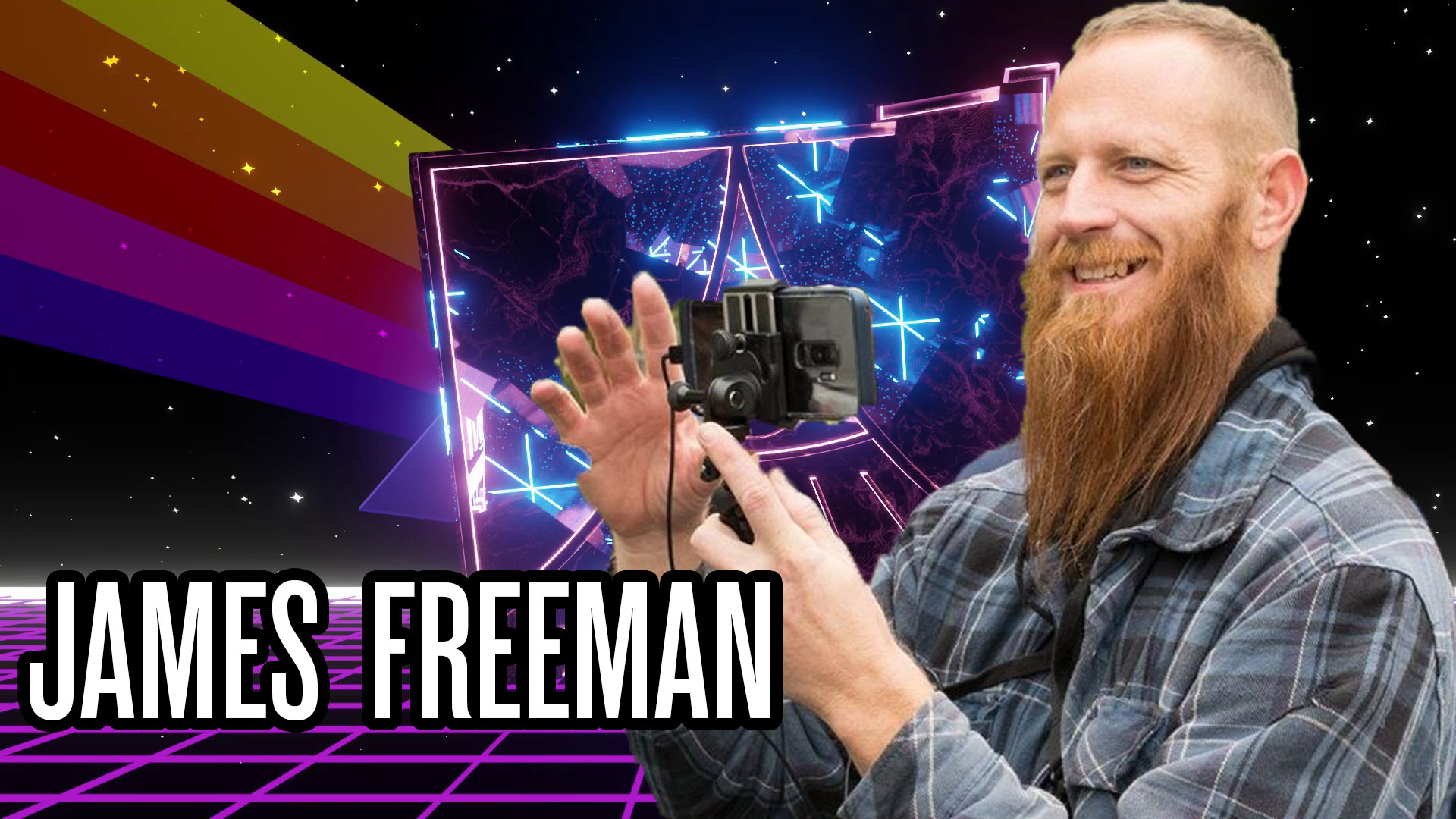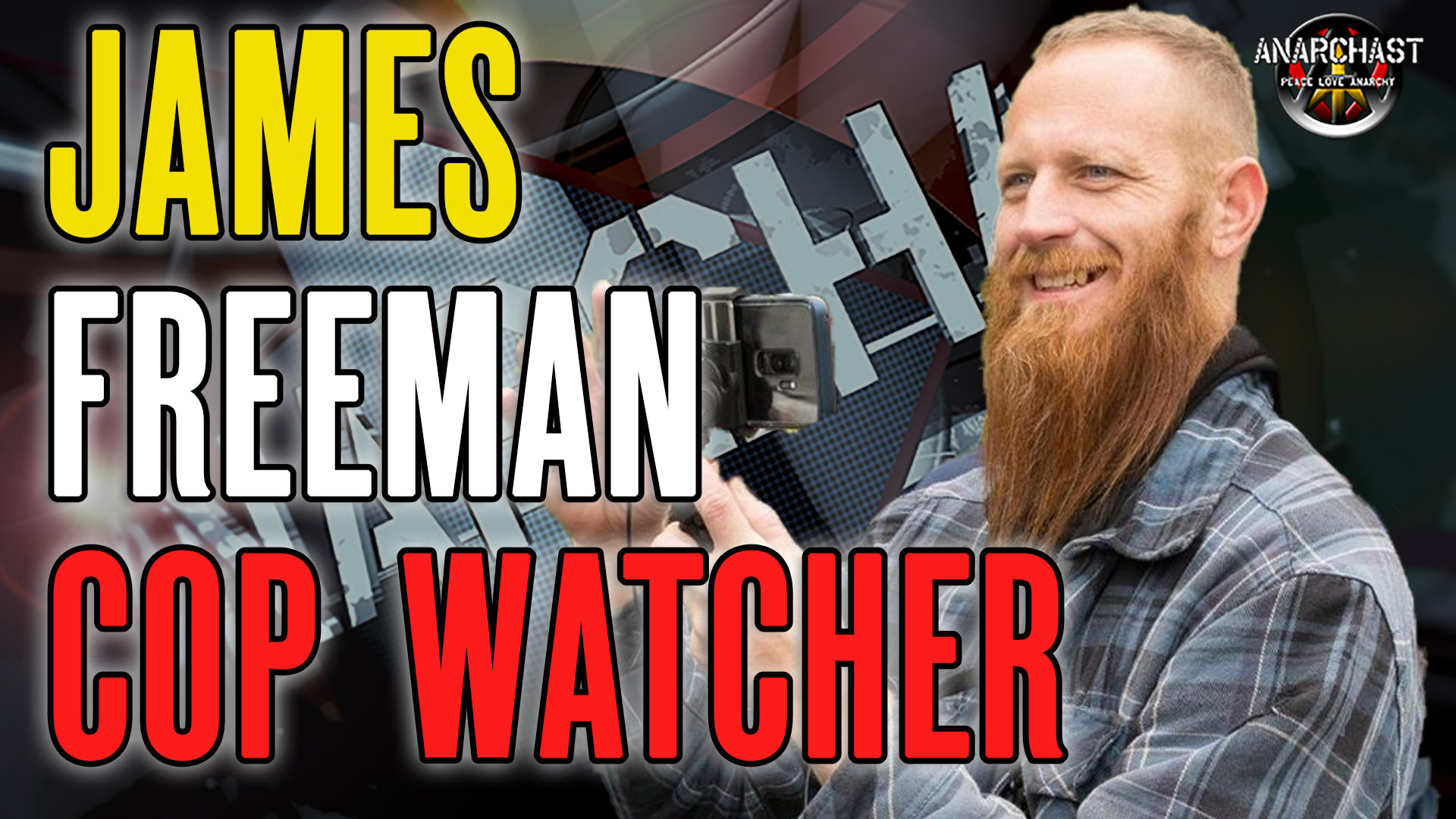
James Freeman is an American First Amendment auditor, cop watcher, YouTuber, and voluntaryist activist known for his confrontational yet often humorous documentation of law enforcement and government officials. Operating under the pseudonym James Freeman, he films public officials—primarily police—on public property to assert and test constitutional rights, particularly the right to record in public. Freeman exemplifies grassroots resistance to state monopoly on force, exposing how government agents routinely violate the Non-Aggression Principle (NAP) through intimidation, unlawful arrests, and rights infringements while highlighting the value of open carry, individual sovereignty, and citizen accountability mechanisms in a free society.
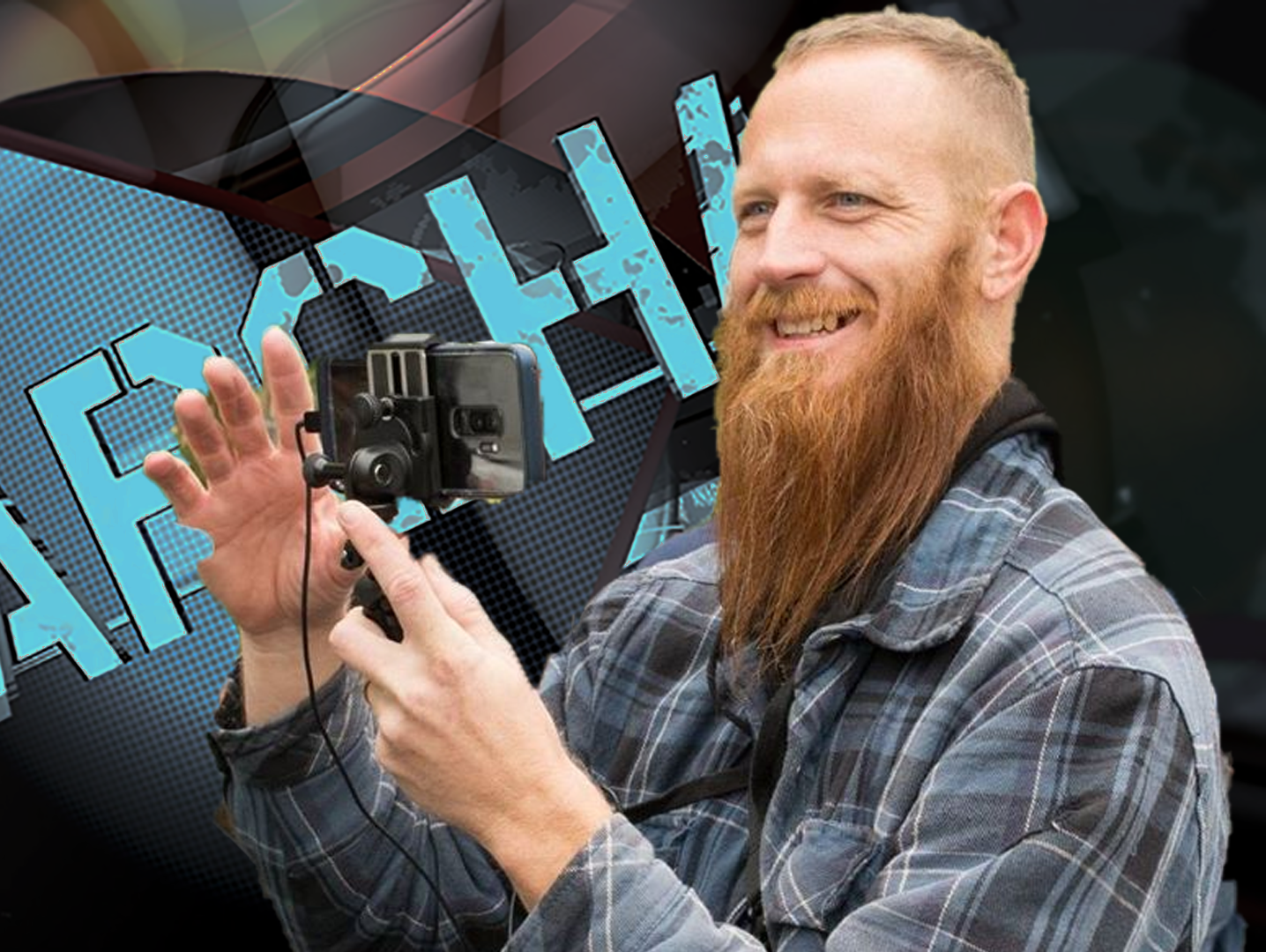
His videos frequently go viral for blending comedy, sharp questioning, and legal pushback, turning routine encounters into teachable moments about overreach. Supporters in liberty circles praise him for making police accountability entertaining and accessible, encouraging viewers to exercise their rights without initiating force. Critics (often officials) accuse him of provocation, but many encounters result in dropped charges, highlighting systemic issues with qualified immunity and police culture.
Biography#
Details on Freeman’s early life are not extensively publicized; he hails from New Mexico and has described entering activism partly due to personal frustrations with government bureaucracy while running a business. He rose to prominence in the First Amendment audit community around the early 2020s, building on earlier auditors like PINAC News, Jeff Gray, and Tom Zebra. Freeman positions himself as a “Government Watchdog” and voluntaryist, explicitly linking his work to broader anti-state philosophy. He has collaborated with other auditors and appeared on liberty-oriented podcasts discussing topics like open carry, police reform impossibilities under monopoly, and practical voluntaryism.
Freeman has faced multiple arrests during audits—often for filming or questioning officers—which are typically dropped or lead to civil rights lawsuits. Notable incidents include confrontations in Texas, Arizona, and New Mexico, such as an altercation with a police chief. These events underscore his view that “the guy with the gun always wins” regardless of law or policy, reinforcing anarcho-capitalist critiques of the state’s coercive apparatus. He has organized or inspired “mass cop-watches” and continues active fieldwork while maintaining a large online following.
Philosophical views and activism#
Freeman’s activism aligns with voluntaryist and anarcho-capitalist principles by rejecting reliance on political reform and instead using direct action (filming, open carry, verbal accountability) to deter aggression and educate the public. He emphasizes:
- The right to film public officials as a check on power.
- Criticism of police as agents of a monopoly on violence that cannot be meaningfully reformed.
- Humor and role-reversal (e.g., asking cops the same questions they ask citizens) to expose hypocrisy.
- Encouragement of self-reliant, rights-asserting citizenship over begging authorities for permission.
His work demonstrates how decentralized technology (smartphones, YouTube) and individual vigilance can approximate private accountability in the absence of a true free market for security services. He has discussed sovereign citizen ideas cautiously but focuses on verifiable constitutional/common-law rights within a voluntaryist framework.
Prominent works#
Freeman’s primary output is his YouTube channel (James Freeman, @JamesFreeman1), which has amassed hundreds of thousands of subscribers through raw audit footage, commentary, and collaborations:
- Signature audit videos: High-profile encounters with police, border patrol, ICE, and public officials, often involving comedy, open carry, and legal arguments. Examples include audits leading to chief-level confrontations or viral “What If We Treated Cops The Way They Treat Us??” style content.
- Collaborations and panels: Joint actions with auditors like The Battousai, Otto The Watchdog, Laura Shark, Corners News, and others; appearances on Police Accountability Report discussing cop-watching’s impact and resistance to bans on filming.
- Livestreams and discussions: Talks on voluntaryism, false arrests, favorite auditors, and why monopoly policing fails; cop-watching against ICE/Border Patrol; critiques of judicial corruption.
- Lawsuits and follow-ups: Documentation of civil rights suits stemming from arrests, serving as case studies in rights defense.
His content often goes viral across platforms, amplifying anarcho-capitalist-adjacent ideas of individual resistance far beyond traditional activism.
External links#
- YouTube: James Freeman
Though he is currently on hiatus, we all hope that Freeman returns to continue producing more content that empowers individuals to hold the state accountable through peaceful, camera-based oversight—embodying the anarcho-capitalist spirit of decentralizing power and rejecting unaccountable authority.
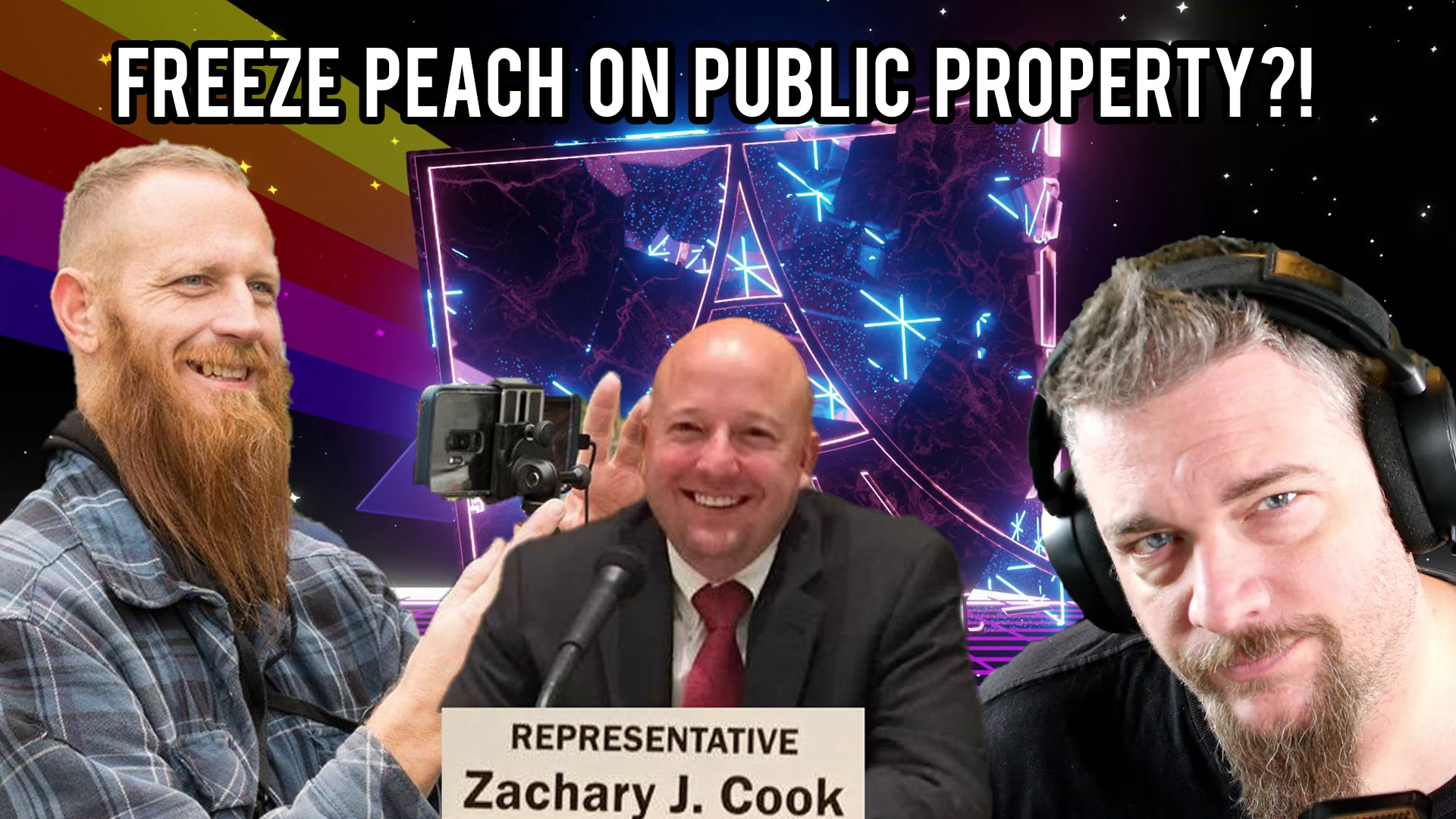
Disenthrall Content featuring James Freeman
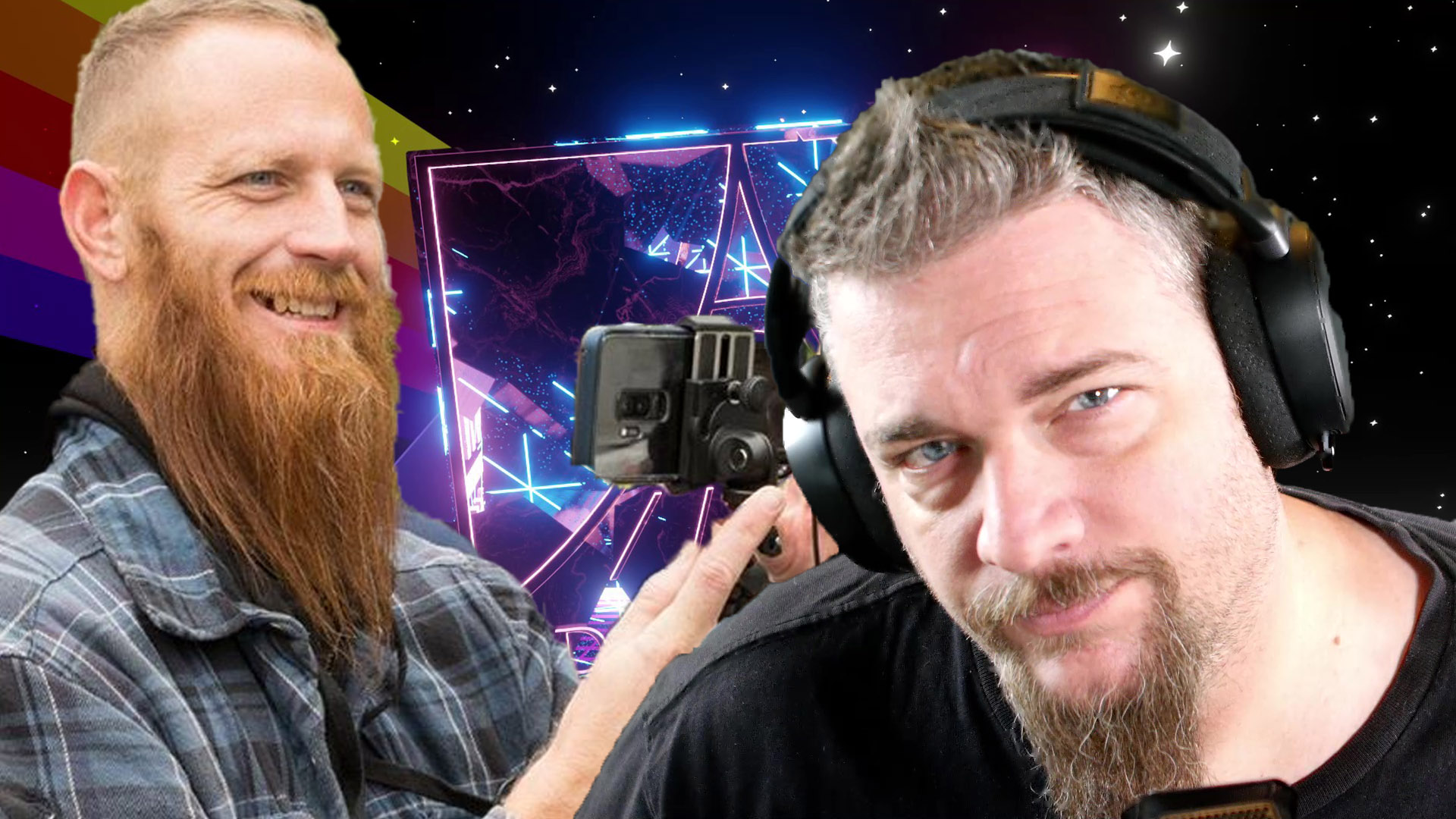
How to Make an Anarchist in 15 Minutes
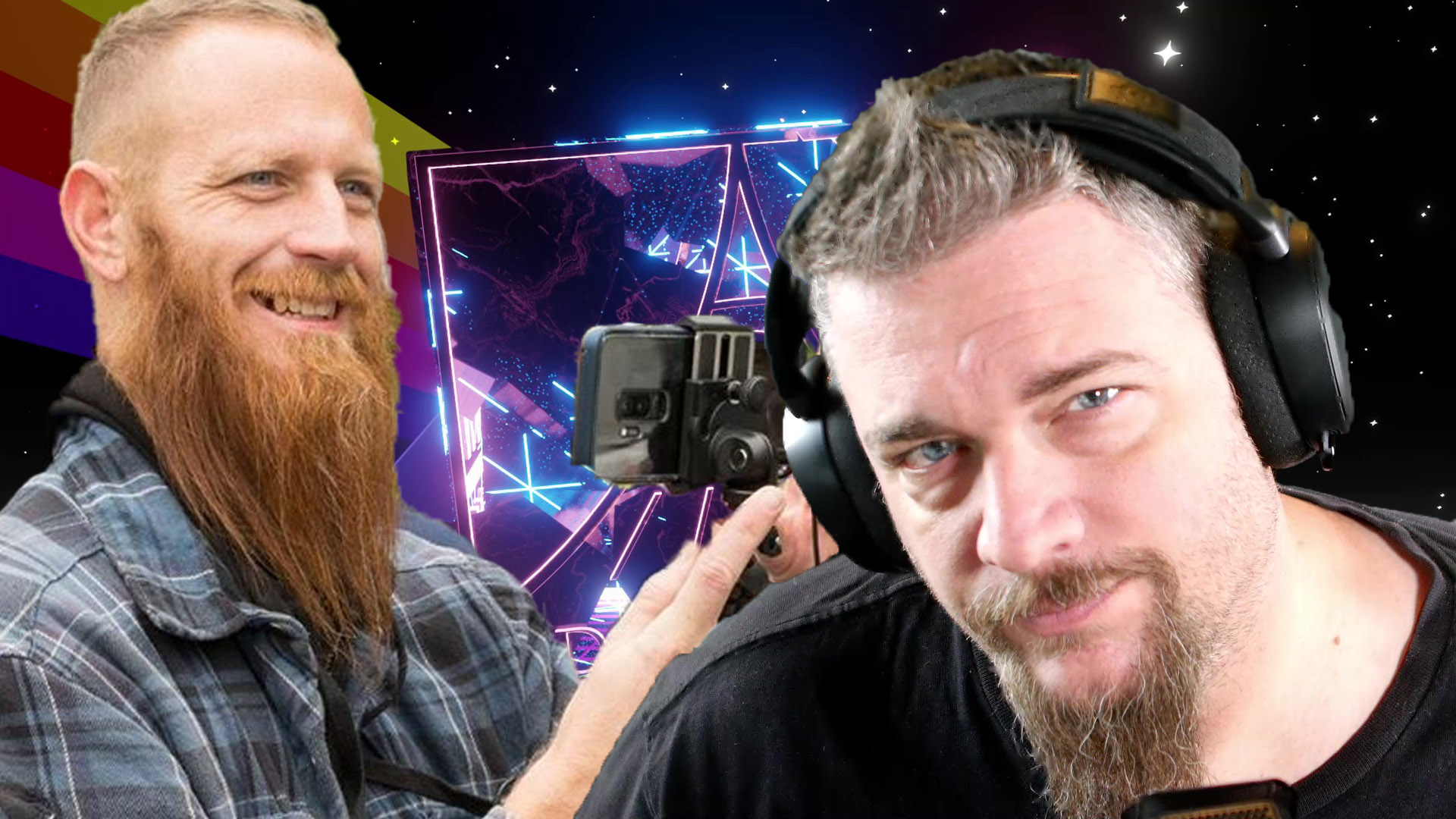
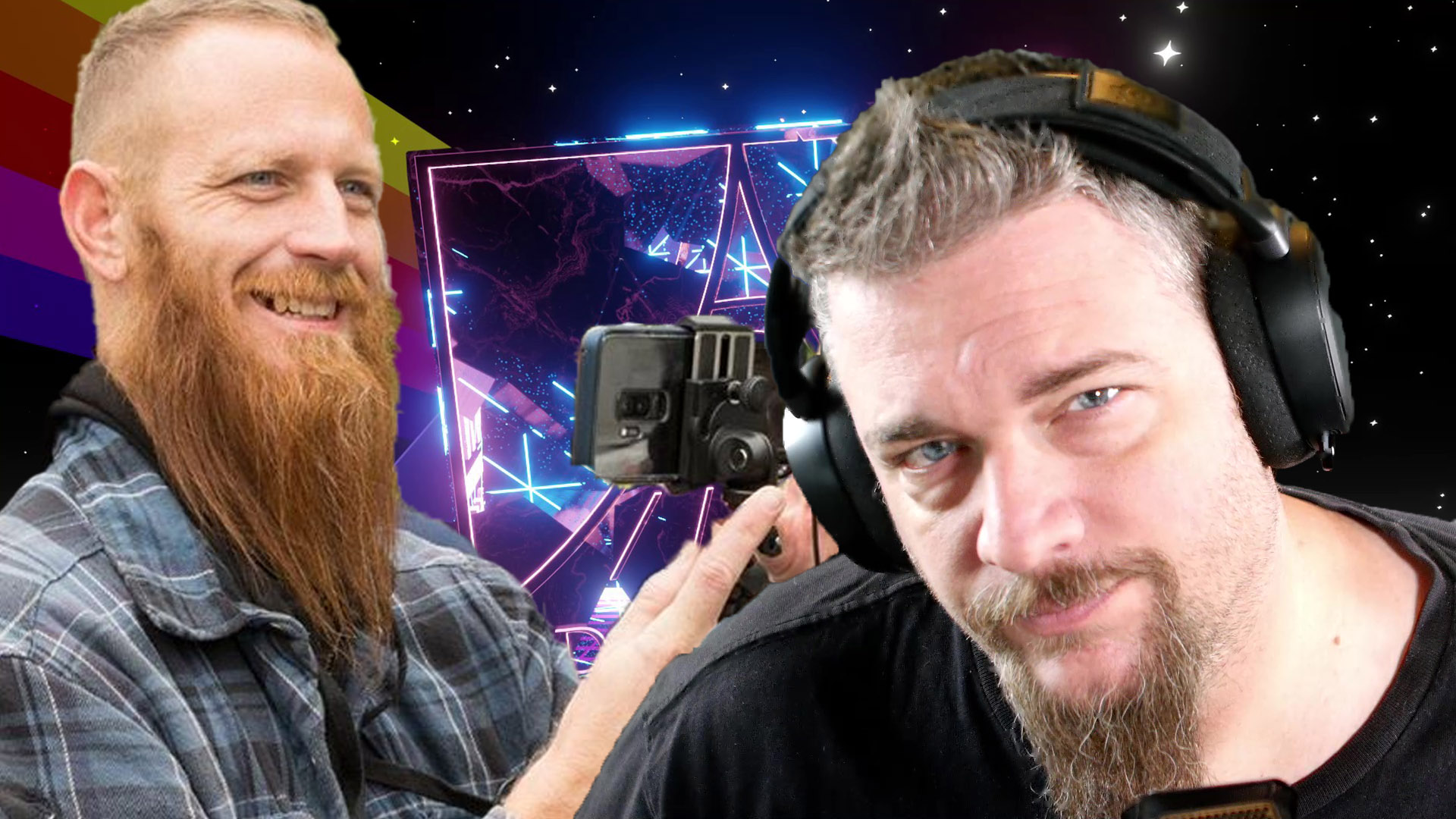
Statist Debate Review with James Freeman
1st AnCampistan Boogie Pageant