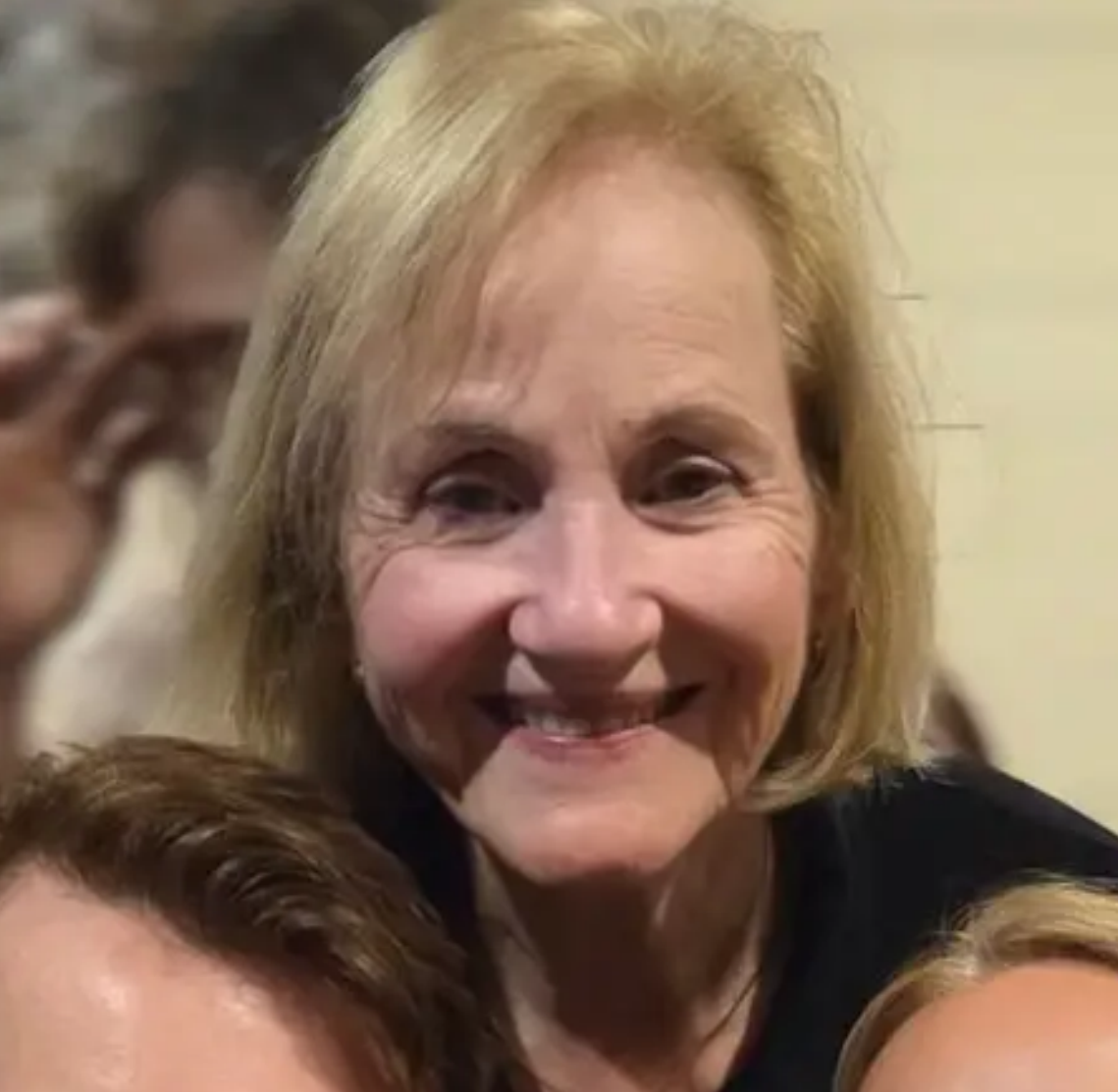
Lyn Ulbricht is an American activist, writer, and advocate for individual liberty, privacy rights, criminal justice reform, and the principles of voluntary exchange. From an anarcho-capitalist perspective, she exemplifies the power of persistent, principled resistance against state coercion, the carceral state, and the prohibitionist apparatus that criminalizes peaceful, consensual trade. Best known as the mother of Ross Ulbricht—the creator and operator of the Silk Road marketplace, widely regarded in libertarian circles as a pioneering experiment in agorism and decentralized free markets—Ulbricht transformed personal tragedy into a decade-long public campaign that rallied the liberty movement and ultimately secured her son’s full and unconditional presidential pardon in January 2025.
Her work highlights core anarcho-capitalist themes: the state’s monopoly on violence and justice leads to injustice and overreach; voluntary markets (enabled by cryptography and Bitcoin) reduce harm more effectively than government edicts; and the “war on drugs” is itself a form of aggression that destroys families and liberties. After Ross’s release, she founded Mothers Against Cruel Sentencing (MACS), extending her fight to challenge excessive, non-violent sentences that violate the spirit of the Eighth Amendment and natural rights.
Early life and career#
Lyn Ulbricht (née LaCava) was born in the late 1940s or early 1950s (a Baby Boomer) and pursued higher education at Skidmore College and the University of Missouri School of Journalism. She worked as a freelance writer and was comfortable with public speaking long before her son’s case thrust her into the spotlight. Together with her husband Kirk Ulbricht, she raised a family in Austin, Texas, while operating Casa Bambu, a sustainable tourism business in Costa Rica featuring four bamboo houses rented to vacationers. Prior to 2013, she described her life as one of hiking with her dog, yoga, reading, and family—tech-resistant and far removed from the digital frontiers her son would explore.
Ross Ulbricht, Silk Road, and the state’s response#
In 2013, federal agents arrested her son Ross (born March 27, 1984), who had created Silk Road in 2011 under the pseudonym “Dread Pirate Roberts.” Silk Road represented a radical application of libertarian ideas: a voluntary, encrypted marketplace operating on Bitcoin that facilitated trade without state intermediaries, taxes, or licensing. It demonstrated how free markets could self-regulate (via reputation systems and escrow) and reduce violence by providing alternatives to street-level prohibition markets. Ross, an Eagle Scout, physics graduate, and idealist influenced by Austrian economics, positioned the site as an experiment in agorism—counter-economics that bypasses the state.
The government responded with overwhelming force: charging Ross with narcotics distribution, money laundering, hacking conspiracy, and operating a continuing criminal enterprise. Despite no violence directly attributable to him and arguments that Silk Road reduced overall harm, he was convicted in 2015 and sentenced to double life imprisonment plus 40 years without parole—the harshest possible penalty for non-violent offenses. Anarcho-capitalists view this as textbook state aggression: punishing entrepreneurship that challenged the government’s monopoly on currency, law enforcement, and “vice” regulation.
Free Ross campaign (2013–2025)#
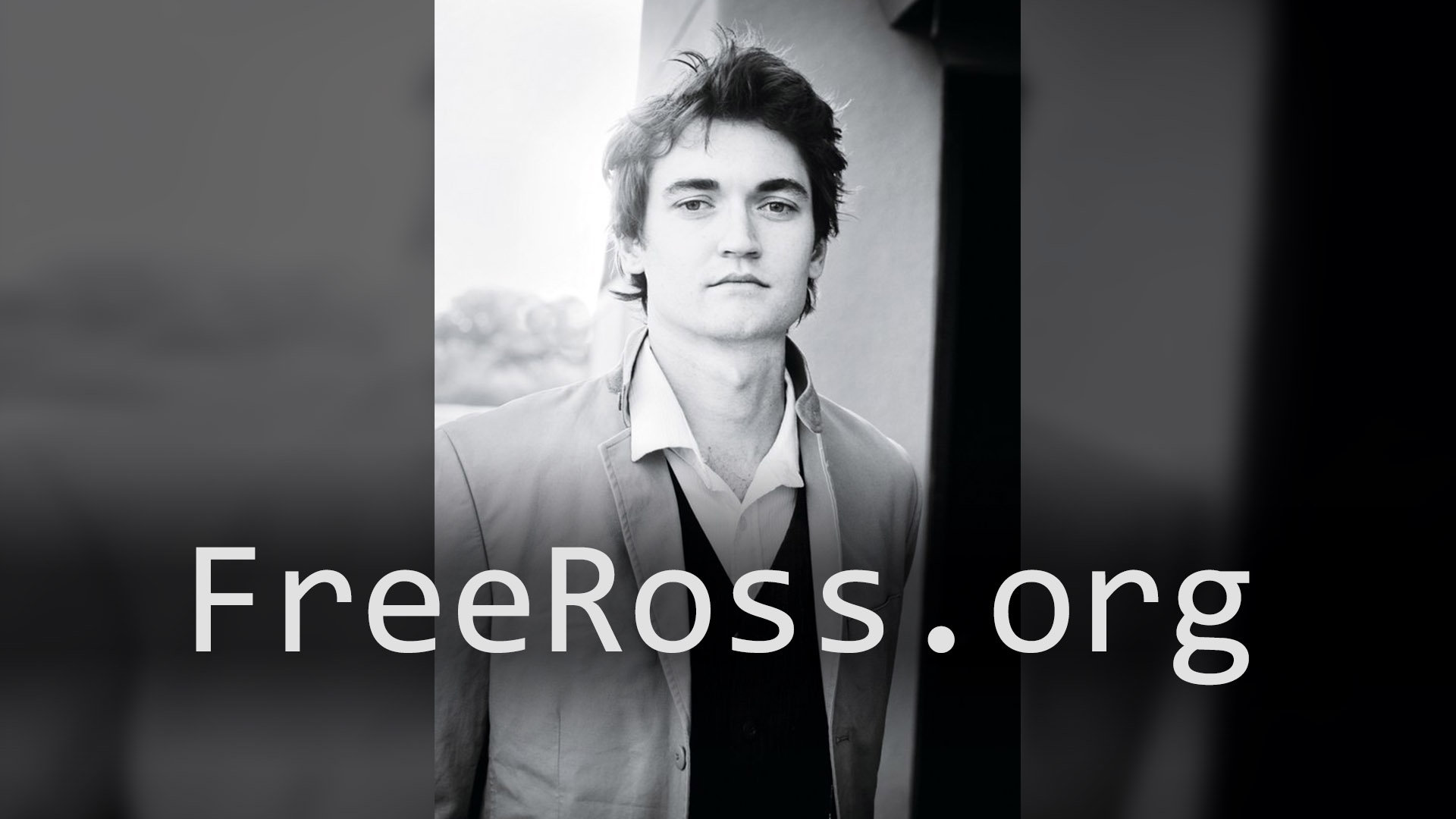
From the moment of Ross’s arrest, Lyn Ulbricht became the public face and driving force of the Free Ross movement. With no prior technical background, she quickly mastered social media, PGP encryption, Bitcoin donations, and website management. In 2013 she launched FreeRoss.org and associated accounts, turning the campaign into a hub for libertarians, crypto enthusiasts, and privacy advocates.
She spoke at major liberty events, including PorcFest (where she found early support from the Free State Project community), FreedomFest, LibertyCon, and Bitcoin conferences. She raised hundreds of thousands of dollars for legal defense, gave countless media interviews, appeared in the 2015 documentary Deep Web (and later The Monopoly on Violence in 2020), and built alliances across the movement. She moved to Colorado to facilitate prison visits and endured personal financial and physical hardship. The campaign generated over 600,000 petition signatures, NFT fundraisers via FreeRossDAO, and widespread awareness that framed Ross not as a criminal but as a political prisoner of the surveillance-and-prohibition state.
Her efforts were instrumental in keeping the case in the public eye within libertarian and anarcho-capitalist circles, where it became a symbol of resistance to the “monopoly on violence” exercised by government courts and law enforcement.
Post-pardon advocacy and Mothers Against Cruel Sentencing#
President Donald Trump issued Ross a full and unconditional pardon on January 21, 2025, explicitly honoring Lyn and the broader libertarian movement that had supported him.
Undeterred by victory for her own family, Ulbricht immediately pivoted to systemic reform. In 2025 she founded and became CEO of the nonprofit Mothers Against Cruel Sentencing (MACS), dedicated to exposing and ending excessive sentences for non-violent offenders, supporting affected families, and defending constitutional protections against cruel and unusual punishment. She continues to speak at liberty and Bitcoin events, emphasizing how the carceral state represents institutionalized aggression incompatible with individual sovereignty.
Prominent works and contributions#
While Ulbricht has not authored traditional books, her “works” consist of high-impact public advocacy and media:
- FreeRoss.org (launched 2013): The central online hub for the campaign, fundraising platform, and information resource.
- Documentary appearances: Deep Web (2015) and The Monopoly on Violence (2020), which brought the human cost of the case to wider audiences.
- Public speaking and interviews: Keynote addresses at PorcFest, FreedomFest, Bitcoin conferences, Mises Institute events (e.g., Bob Murphy Show podcast), and numerous libertarian gatherings. She has written personal reflections (e.g., Steemit introductions) and given in-depth interviews detailing the trial’s flaws and the philosophy behind her activism.
- Mothers Against Cruel Sentencing (MACS): Her ongoing nonprofit platform for criminal justice reform, launched publicly at the 2025 Bitcoin Conference.
These efforts have amplified anarcho-capitalist critiques of the justice system, privacy erosion, and prohibition.
Legacy in the anarcho-capitalist movement#
Lyn Ulbricht’s journey—from tech-averse mother to tireless liberty activist—embodies the anarcho-capitalist ideal that individuals, not states, drive moral and economic progress. By defending her son’s vision of a stateless marketplace and then broadening the fight to all victims of sentencing cruelty, she has modeled how personal love and principled outrage can challenge the state’s most coercive institutions. Her work continues to inspire those who see voluntary exchange, cryptography, and decentralized technology as tools to render government monopolies obsolete.
Personal life#
Ulbricht is married to Kirk Ulbricht. They have two children (Ross and daughter Cally) and additional family members. She splits time between advocacy and family, now including time with her pardoned son.