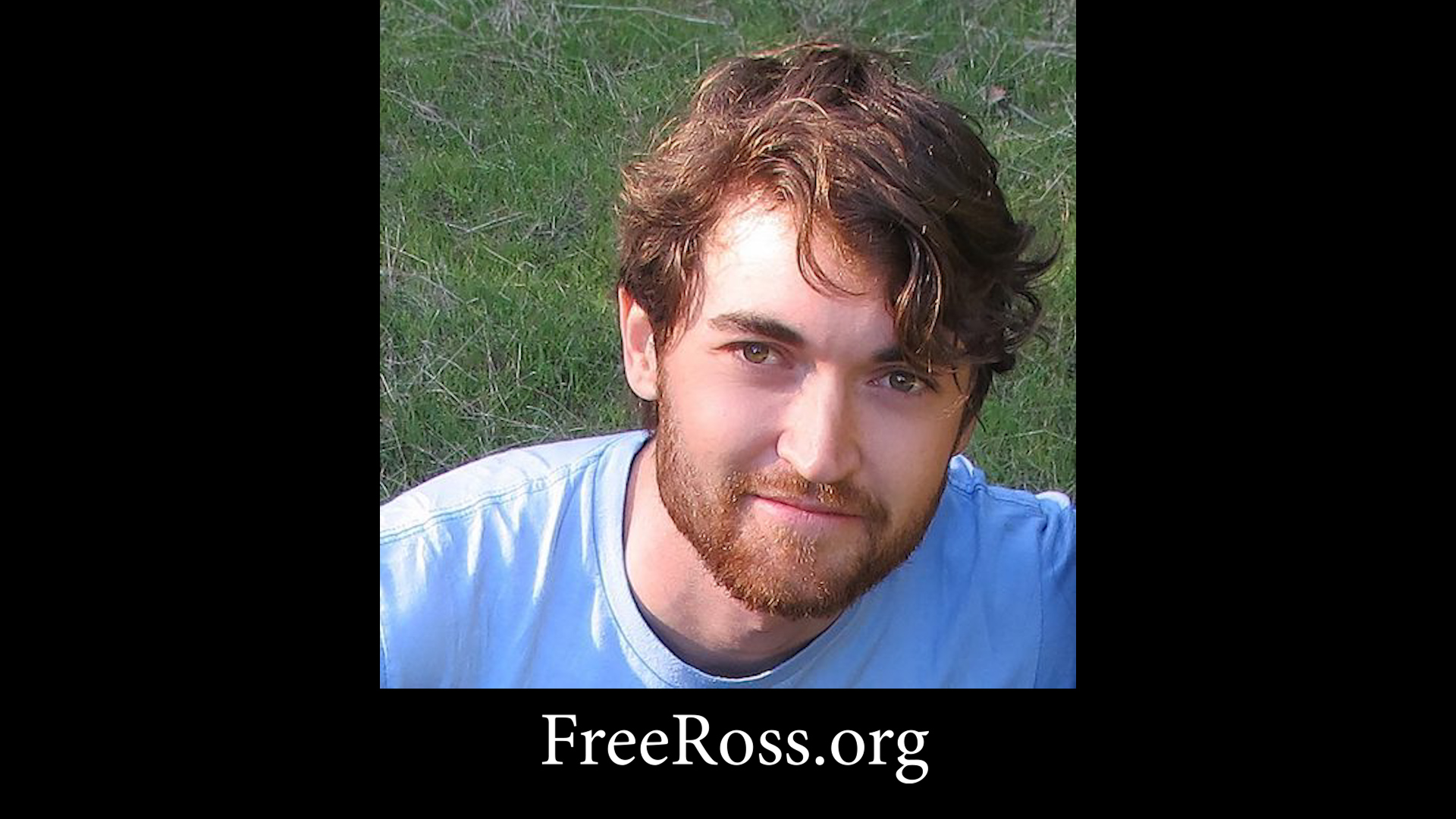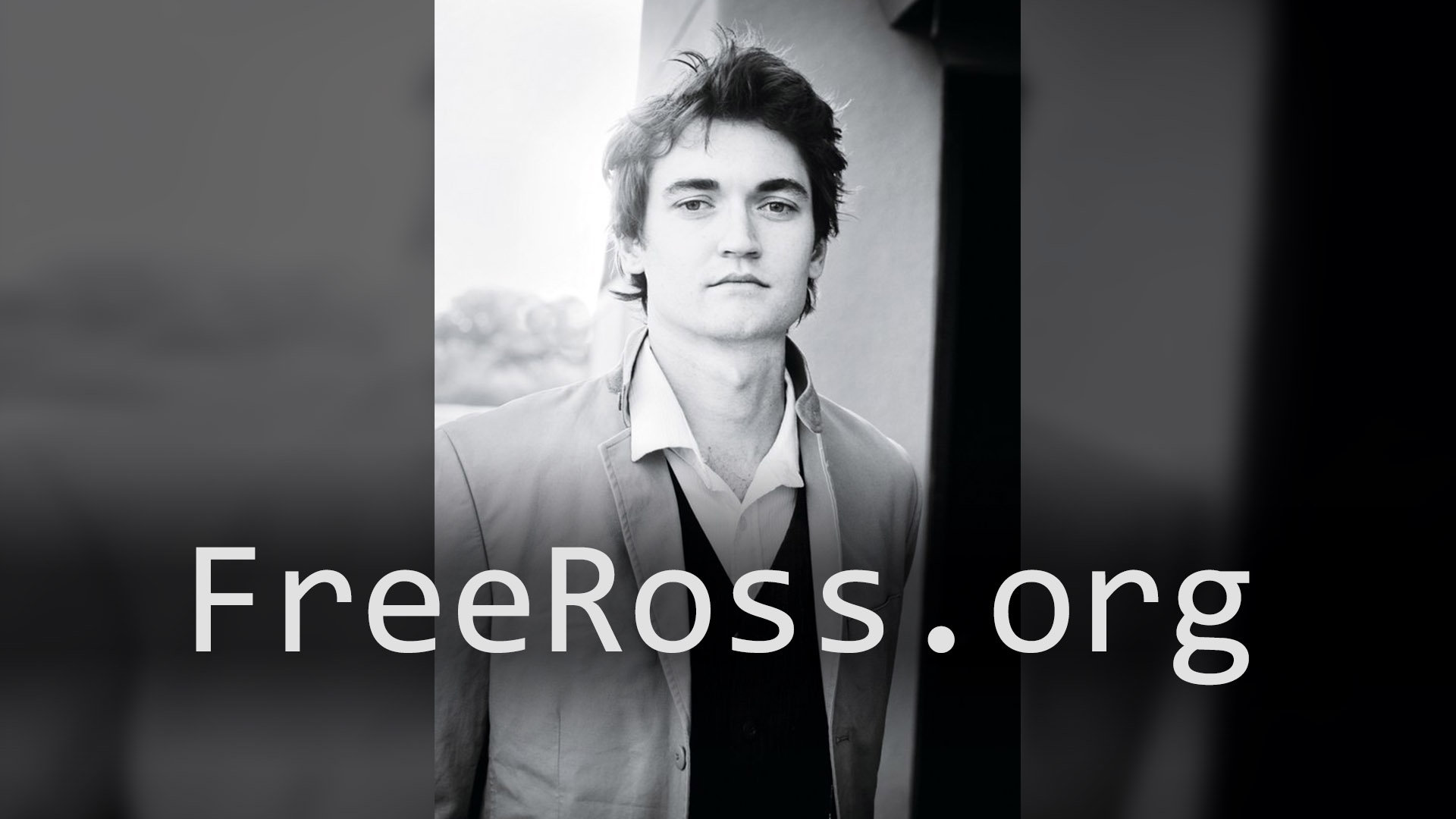
Ross Ulbricht (born March 27, 1984) is an American entrepreneur, software developer, libertarian thinker, and advocate for individual sovereignty, cryptographic privacy, and voluntary exchange. He is celebrated as a modern agorist hero who put theory into practice by creating Silk Road—the first major darknet marketplace built on Tor and Bitcoin. This experiment demonstrated how stateless, consensual markets could facilitate peaceful trade, self-regulate through reputation and escrow systems, and undermine the state’s artificial monopolies on currency, prohibition, and “justice.” Despite operating a platform for victimless commerce that many libertarians argue reduced overall violence compared to state-enforced black markets, Ulbricht was arrested in 2013, convicted in 2015, and sentenced to life imprisonment without parole. His full and unconditional pardon by President Donald Trump on January 21, 2025—explicitly in honor of the libertarian movement—stands as a landmark victory against the carceral state’s overreach.
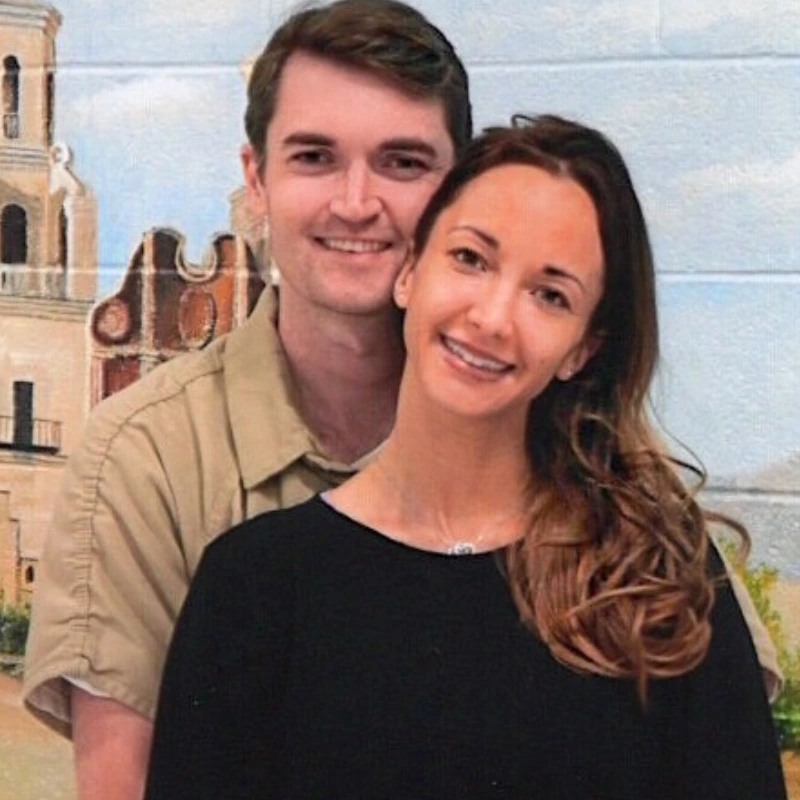
Ulbricht’s story embodies core anarcho-capitalist principles: the non-aggression principle (NAP) applied to economics, the superiority of private-ordering over government coercion, and the revolutionary potential of technology (cryptography and decentralized money) to render the state obsolete. Silk Road was not merely a “drug site” in the eyes of the liberty community but a living proof-of-concept for a world without systemic aggression, where individuals freely contract without intermediaries or rulers.
Early life and intellectual development#
Ross William Ulbricht was born and raised in Austin, Texas. He earned a bachelor’s degree in physics from the University of Texas at Dallas on a full scholarship and later a master’s degree in materials science and engineering from Pennsylvania State University. Initially drawn to scientific research, he grew disillusioned with the drudgery of academic life and conventional career paths. By his late twenties, Ulbricht had immersed himself in Austrian economics, particularly the works of Ludwig von Mises, and broader libertarian philosophy. He was influenced by agorist thinker Samuel Edward Konkin III, the novel Alongside Night, and Ron Paul’s political campaigns. He openly advocated ending the state’s monopoly on violence and coercion, viewing taxation and prohibition as forms of aggression.
On his LinkedIn profile before his arrest, Ulbricht articulated his vision: using economic theory “as a means to abolish the use of coercion and aggression amongst mankind” and creating “an economic simulation to give people a first-hand experience of what it would be like to live in a world without the systemic use of force.” These ideas directly inspired Silk Road.
Creation of Silk Road (2011–2013)#
In 2011, under the pseudonym “Dread Pirate Roberts” (inspired by The Princess Bride), Ulbricht launched Silk Road on the Tor network. The site functioned as a decentralized, encrypted marketplace where buyers and sellers could trade goods and services anonymously using Bitcoin. It was a radical agorist implementation: a counter-economic arena that bypassed licenses, taxes, regulations, and the war on drugs. Reputation scores, vendor feedback, and escrow protected participants better than state “consumer protection,” while Bitcoin enabled trustless settlement free of central banks. Ulbricht moderated forums, hosted philosophical discussions, and enforced rules against violent crime, emphasizing voluntary, victimless exchange.
The marketplace processed over $200 million in transactions and demonstrated real-world success: reduced street violence associated with prohibition, empowered individual choice, and showcased how cryptography could enforce property rights without government. Ulbricht saw it as a moral and economic experiment in liberty—proof that markets, not monopolistic states, best serve human flourishing.
Arrest, trial, and imprisonment#
Federal agents arrested Ulbricht on October 1, 2013, in a San Francisco public library, seizing his laptop. He was charged with narcotics distribution, money laundering, computer hacking, and operating a continuing criminal enterprise. Prosecutors highlighted drugs sold on the site (though Ulbricht maintained rules against harms), but anarcho-capitalists note the absence of direct victims attributable to him personally and argue the charges represented state retaliation against a direct challenge to its authority over currency and vice. In 2015, he received a life sentence without parole plus 40 years—widely viewed in liberty circles as cruel and unusual punishment for non-violent entrepreneurship. Appeals to the Second Circuit and Supreme Court failed.
During 11+ years in federal prison (much of it in maximum-security facilities), Ulbricht endured harsh conditions but remained intellectually active, writing essays and corresponding with supporters. His case became a rallying cry against the drug war and mass incarceration.
The Free Ross movement and pardon#
A massive grassroots campaign—led by his mother Lyn Ulbricht—mobilized libertarians, crypto advocates, and civil liberties groups. Petitions, documentaries (Deep Web), NFT fundraisers via FreeRossDAO, and appearances at PorcFest, FreedomFest, and Bitcoin events kept the case alive. The movement framed Ulbricht as a political prisoner of the prohibitionist state. On January 21, 2025, President Trump granted a full and unconditional pardon, calling Ulbricht’s mother to deliver the news personally in recognition of libertarian support. Ulbricht was released that evening and reunited with family.
Post-pardon life and advocacy (2025–present)#
Since his release, Ulbricht has reemerged as a prominent voice in crypto and liberty circles. His first major public appearance was a keynote at the Bitcoin 2025 conference in Las Vegas in May 2025, where he shared insights on early Bitcoin, privacy, and freedom. He has since spoken at FreedomFest and Porcfest, emphasizing themes of voluntaryism and technological liberation. An anonymous donor gifted him 300 Bitcoin (valued at approximately $31 million at the time) in June 2025. He maintains an active presence on X (@RealRossU), reconnects with family, and continues advocating for privacy, sound money, and ending state overreach.
Prominent works and contributions#
Ulbricht did not author traditional books, but his intellectual output includes:
- Silk Road (2011–2013): The marketplace itself, plus extensive forum writings, manifestos, and a book club discussing libertarian classics—practical agorism in action.
- Prison writings and artwork: A collection auctioned as NFTs in 2021 (purchased by FreeRossDAO for millions in Ethereum), offering personal reflections on liberty, economics, and resilience.
- Post-release speeches and essays: Keynotes and interviews at major Bitcoin and libertarian events (e.g., Bitcoin 2025 closing speaker), plus public commentary on X and platforms like Medium exploring privacy, free markets, and the failures of prohibition.
- Philosophical influence: His LinkedIn vision and Silk Road diaries, widely archived and studied in libertarian circles as foundational texts on crypto-anarchism.
These works continue to inspire developers building decentralized tools and activists challenging the state’s monopoly on violence.
Legacy in the anarcho-capitalist movement#
Ross Ulbricht’s creation of Silk Road and his endurance through state persecution represent a defining chapter in modern anarcho-capitalism. He proved that individuals armed with code and conviction can create parallel economies that outcompete government cartels. His pardon validates the long fight by the liberty movement and underscores that technological innovation—Bitcoin, Tor, smart contracts—can erode coercive institutions. Today, he stands as a living symbol of hope: that principled resistance to aggression can triumph and that a freer, voluntary society is not only possible but already being built.
Personal life#
Ulbricht is married to Caroline. He has family in Texas and maintains close ties with his mother Lyn, father Kirk, and sister. Post-release, he prioritizes family time while advancing liberty causes.